About When Giants Reigned
About the Book
The Beginning
When I was twelve years old, I graduated from Bible studies on the New Testament at my Methodist church. Promoted, I found myself sitting with the grown-ups, watching the maroon-robed choir and black-robed clergy. I observed the mysterious stained-glass windows and listened to the melodic Gregorian chant. This Sunday's lesson was about the plagues on Egypt, culminating with the angel of death killing all the firstborn sons and compelling the pharaoh to let the people of Israel go free. After such a strange sermon, one of the adults asked if he should be studying the Old Testament. Our minister advised him not to read it, saying it was much too dark, and even he, a "man of the cloth," could not fully understand it. I was only twelve, but I filed it in my memory bank: they don't want you to read the Old Testament.
My next shock came in college when I read the Sumerian Epic of Gilgamesh, a flood story that predated the Bible. They sent birds to find land exactly like Noah did, meaning the Bible had borrowed from this earlier epic. Gilgamesh was a giant and a tyrant who ruled over the city-state of Uruk. This, the oldest piece of literature in existence, had a giant as the main character.
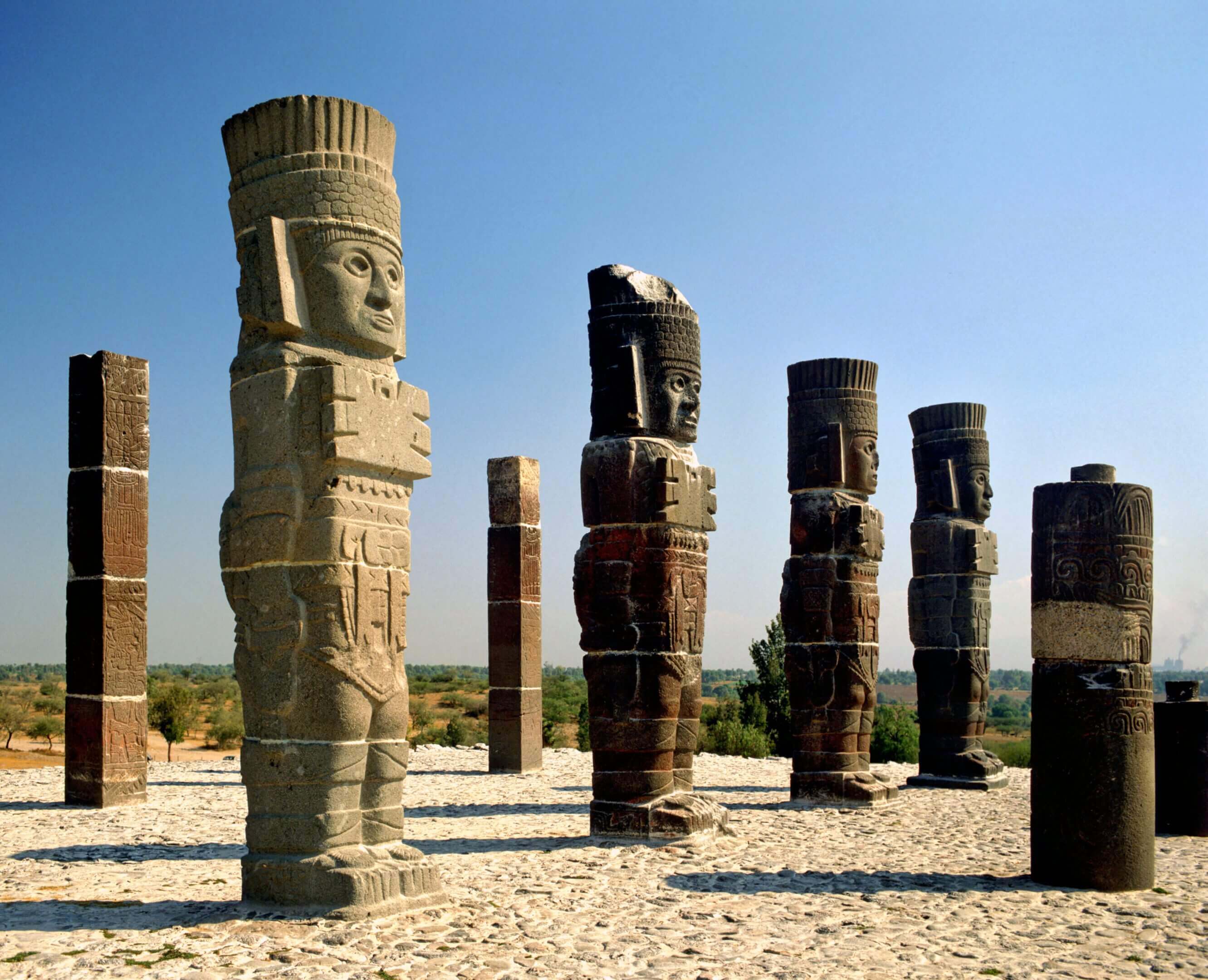
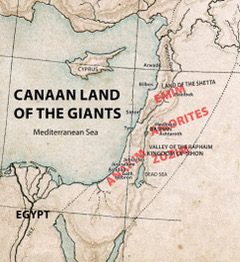
Classical literature and religious texts were also filled with references to giants. The Greek Olympians, Zeus and Hercules, fought against the Titans. The Viking god Thor, who the day Thursday was named for, fought giants with his magical hammer. In Beowulf, Grendel descended from giants. The Green Knight was a giant, as were England's Gog and Magog. The Book of Enoch, found in the Dead Sea Scrolls, spoke of man-eating giants. The Rephaim tribes called Anakim, Emim, and Zuzim in the Bible were giants. The giant one-eyed Cyclops in the Odyssey were cannibals who devoured human beings. Even fairy tales had giants. The giant in Jack and the Beanstalk rhymed the phrase, "I'll grind his bones and make my bread," which was another reference to cannibalism.
Nearly every ancient mythology featured giants. Kings and gods were depicted as giants, and the custom of painting royalty as giants became the norm. How did the universal idea of giants and cannibals become commonplace across civilizations? Thirteenth-century historian Snorri Sturluson suggested that Thor and other Viking gods were based on real men, later elevated to gods.
When Giants Reigned begins with the Titans and Olympians, followed by the Rephaim giants in the Bible, and ends with Homer's Iliad and Odyssey and Plato's Timaeus and Critias. While mythology can't be read as pure history, important details in these legends match actual historical events.
My research helped me solve several ancient mysteries, like who built Baalbek and why the pyramids in Egypt resemble the pyramids in the New World. Could the heroes of myth have crossed the Atlantic nearly three thousand years before Columbus? Crazily, all these events are connected to the saga of the giants.